Buy aefca.eu ?
We are moving the project
aefca.eu .
Are you interested in purchasing the domain
aefca.eu ?
domain@kv-gmbh.de · 0541-91531010
Buy aefca.eu ?
What is respiratory depression?
Respiratory depression is a condition in which a person's breathing becomes dangerously slow or shallow, leading to decreased oxygen levels in the blood. This can be caused by the use of certain medications, such as opioids or sedatives, which can suppress the body's natural drive to breathe. Respiratory depression can be life-threatening and requires immediate medical attention. Symptoms may include confusion, drowsiness, and bluish skin or lips. **
How do depression affect education?
Depression can significantly impact a student's ability to concentrate, retain information, and stay motivated, which can lead to poor academic performance. It can also lead to absenteeism, difficulty in completing assignments, and a lack of participation in class. Additionally, depression can affect a student's social interactions and ability to engage with peers and teachers, further impacting their educational experience. It is important for educators and support staff to be aware of the signs of depression and provide appropriate resources and support to students who may be struggling. **

Similar search terms for Respiratory depression
Top-Angebote
Products related to Respiratory depression:
-
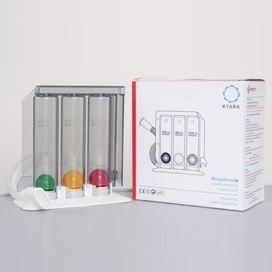
Anota Triflo II Respiratory ApparatusHealth and Beauty Orthopedics Anota Triflo II Respiratory Apparatus The Triflo is a respiratory incentive spirometer. It strengthens respiratory muscles and is indicated for patients with chronic bronchitis. Instructions for use: - Get into a semi-sitting or sitting position - Position the Spirometric Incentive (triflo) at face level - Exhale normally, sealing your lips around the Triflo mouthpiece - Breathe slowly and deeply to raise 1 or 2 cylinders and hold the inspiration without the cylinders falling for a few seconds (up to 6 seconds) - Repeat the procedure 10 to 15 times every hour.15,71 £*Shipping: 4,99 £Secure redirect to the provider
-
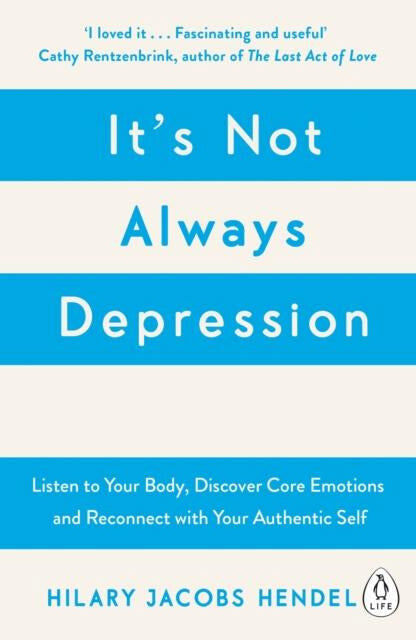
Penguin Its Not Always Depression by Hilary Jacobs HendelWe were all taught that our thoughts affect our emotions, but in truth it is largely the other way around: we have to experience our emotions to truly understand our thoughts, and our full selves. This is why we should think not only about cognitive behavioural therapy or medication, but also about our emotions, when addressing psychological suffering. In It's Not Always Depression, pioneering psychotherapist Hilary Jacobs Hendel reveals the most effective techniques for putting us back in touch with the emotions we too often deny - methods which can be used by anyone, any time, anywhere. Drawing on stories from her own practice, she sheds light on the core emotions (such as joy, sadness and fear), defences (anything we do to avoid feeling) and inhibitory emotions (anxiety, shame and guilt), and how understanding their interaction can help us return to mental well-being. This is the basis of 'accelerated experiential dynamic psychotherapy:' it accelerates healing through having an emotional experience in the here and now. It allows you to reacquaint yourself with your feelings, to recover a more authentic self and to be more calm, curious and connected.4,99 £*Shipping: 1,99 £Secure redirect to the provider
-
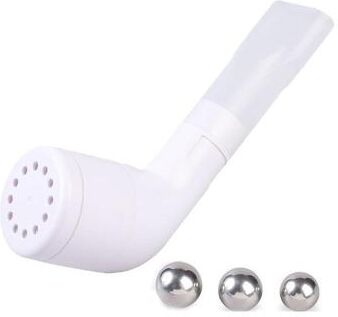
Smart Shopping Spot AltitudeFit Breathing Trainer Lung & Respiratory Training Device transparentTake control of every breath and build stronger respiratory endurance with the AltitudeFit Breathing Trainer. Designed for athletes, fitness enthusiasts, singers, and anyone looking to improve breathing efficiency, this compact lung trainer helps...31,97 $*Shipping: 0,00 $Secure redirect to the provider
-
Pharmasor Mucosor Respiratory Tract 16 SticksNutrition and Supplements Special supplements Pharmasor Mucosor Respiratory Tract 16 Sticks Food supplement in stick format for easy consumption. Made with a combination of natural ingredients that help improve respiratory health and relieve the symptoms of respiratory conditions such as nasal congestion, cough, and sore throat. Benefits: - Helps decongest the nose and relieve cough. - Helps reduce inflammation and irritation of the throat. - Promotes the removal of mucus and phlegm. - Helps maintain healthy breathing. Instructions for Use: - Take 1 stick a day, preferably after your main meal.- Pour the contents of the stick directly into your mouth or dissolve it in water or juice.10,41 £*Shipping: 3,99 £Secure redirect to the provider

-
What are the differences between respiratory muscles and accessory respiratory muscles?
Respiratory muscles are the primary muscles involved in the process of breathing, including the diaphragm and intercostal muscles. These muscles are essential for the expansion and contraction of the lungs during inhalation and exhalation. On the other hand, accessory respiratory muscles are secondary muscles that can assist in breathing when the primary respiratory muscles are under increased demand or compromised. Accessory respiratory muscles include muscles in the neck, shoulders, and chest, and they help to further expand the chest cavity and aid in breathing during times of increased respiratory effort or when there is airway obstruction. **
-
How do I prepare for the respiratory protection training?
To prepare for respiratory protection training, you should familiarize yourself with the different types of respirators and their uses, as well as the potential hazards in your workplace that require respiratory protection. You should also review any relevant safety regulations and guidelines, and be prepared to participate in hands-on training exercises. Additionally, it's important to come with an open mind and a willingness to learn and follow proper respiratory protection protocols. **
-
What is the respiratory chain?
The respiratory chain is a series of protein complexes located in the inner mitochondrial membrane that are involved in the production of ATP, the cell's main energy source. These complexes work together to transfer electrons from molecules like NADH and FADH2 to oxygen, generating a proton gradient across the membrane. This proton gradient is used by ATP synthase to produce ATP through a process called oxidative phosphorylation. The respiratory chain is a crucial component of cellular respiration and plays a key role in generating energy for various cellular processes. **
-
What is the respiratory quotient?
The respiratory quotient (RQ) is a ratio that represents the amount of carbon dioxide produced to the amount of oxygen consumed during cellular respiration. It provides information about the type of fuel being used by the body for energy production. An RQ of 1 indicates that carbohydrates are the primary fuel source, while an RQ of 0.7 indicates that fats are being used. The RQ can vary depending on the metabolic state of an individual, such as during exercise or fasting. **


Can you dye respiratory masks?
Yes, you can dye respiratory masks, but it is important to use dyes that are safe and non-toxic, as the mask will be worn close to the face and may come into contact with the skin. It is also important to follow the manufacturer's instructions for washing and care, as some dyes may affect the effectiveness of the mask's filtration. Additionally, be mindful of any regulations or guidelines regarding the coloring of respiratory masks, especially if they are being used in a professional or medical setting. **
What is the respiratory system?
The respiratory system is a network of organs and tissues that work together to help us breathe. It includes the nose, mouth, throat, voice box, windpipe, and lungs. The main function of the respiratory system is to take in oxygen from the air and expel carbon dioxide, a waste product of the body's cells. This process is essential for the body to function properly and for the cells to produce energy. **
Top-Angebote
Products related to Respiratory depression:
-
PetsAreLife Pets Curations Anti Depression Cat Scratching Ball Exercise Toy Pets Curations Anti Depression Cat Scratching Ball Exercise ToyScratching furniture and walls is a natural instinct of cats. It damages the overall look of your furniture, making it appear old. To sustain its appearance, you'll need to renovate it, which will cost money. So do you want to overcome this...74,97 $*Shipping: 0,00 $Secure redirect to the provider
-
Everyday Crate BreatheFlow 3 Ball Breathing Exerciser For Lung Capacity & Respiratory Muscle Training BreatheFlow 3 Ball Breathing Exerciser For Lung Capacity & Respiratory Muscle TrainingTake deeper, stronger breaths and feel more confident in your daily routine with this advanced lung capacity trainer. Designed for athletes, seniors, postsurgery recovery, and anyone focused on better respiratory wellness, this easytouse device...49,97 $*Shipping: 0,00 $Secure redirect to the provider
-
Anota Triflo II Respiratory ApparatusHealth and Beauty Orthopedics Anota Triflo II Respiratory Apparatus The Triflo is a respiratory incentive spirometer. It strengthens respiratory muscles and is indicated for patients with chronic bronchitis. Instructions for use: - Get into a semi-sitting or sitting position - Position the Spirometric Incentive (triflo) at face level - Exhale normally, sealing your lips around the Triflo mouthpiece - Breathe slowly and deeply to raise 1 or 2 cylinders and hold the inspiration without the cylinders falling for a few seconds (up to 6 seconds) - Repeat the procedure 10 to 15 times every hour.15,71 £*Shipping: 4,99 £Secure redirect to the provider
-
Penguin Its Not Always Depression by Hilary Jacobs HendelWe were all taught that our thoughts affect our emotions, but in truth it is largely the other way around: we have to experience our emotions to truly understand our thoughts, and our full selves. This is why we should think not only about cognitive behavioural therapy or medication, but also about our emotions, when addressing psychological suffering. In It's Not Always Depression, pioneering psychotherapist Hilary Jacobs Hendel reveals the most effective techniques for putting us back in touch with the emotions we too often deny - methods which can be used by anyone, any time, anywhere. Drawing on stories from her own practice, she sheds light on the core emotions (such as joy, sadness and fear), defences (anything we do to avoid feeling) and inhibitory emotions (anxiety, shame and guilt), and how understanding their interaction can help us return to mental well-being. This is the basis of 'accelerated experiential dynamic psychotherapy:' it accelerates healing through having an emotional experience in the here and now. It allows you to reacquaint yourself with your feelings, to recover a more authentic self and to be more calm, curious and connected.4,99 £*Shipping: 1,99 £Secure redirect to the provider
-
What is respiratory depression?
Respiratory depression is a condition in which a person's breathing becomes dangerously slow or shallow, leading to decreased oxygen levels in the blood. This can be caused by the use of certain medications, such as opioids or sedatives, which can suppress the body's natural drive to breathe. Respiratory depression can be life-threatening and requires immediate medical attention. Symptoms may include confusion, drowsiness, and bluish skin or lips. **
-
How do depression affect education?
Depression can significantly impact a student's ability to concentrate, retain information, and stay motivated, which can lead to poor academic performance. It can also lead to absenteeism, difficulty in completing assignments, and a lack of participation in class. Additionally, depression can affect a student's social interactions and ability to engage with peers and teachers, further impacting their educational experience. It is important for educators and support staff to be aware of the signs of depression and provide appropriate resources and support to students who may be struggling. **
-
What are the differences between respiratory muscles and accessory respiratory muscles?
Respiratory muscles are the primary muscles involved in the process of breathing, including the diaphragm and intercostal muscles. These muscles are essential for the expansion and contraction of the lungs during inhalation and exhalation. On the other hand, accessory respiratory muscles are secondary muscles that can assist in breathing when the primary respiratory muscles are under increased demand or compromised. Accessory respiratory muscles include muscles in the neck, shoulders, and chest, and they help to further expand the chest cavity and aid in breathing during times of increased respiratory effort or when there is airway obstruction. **
-
How do I prepare for the respiratory protection training?
To prepare for respiratory protection training, you should familiarize yourself with the different types of respirators and their uses, as well as the potential hazards in your workplace that require respiratory protection. You should also review any relevant safety regulations and guidelines, and be prepared to participate in hands-on training exercises. Additionally, it's important to come with an open mind and a willingness to learn and follow proper respiratory protection protocols. **
Similar search terms for Respiratory depression
-
Smart Shopping Spot AltitudeFit Breathing Trainer Lung & Respiratory Training Device transparentTake control of every breath and build stronger respiratory endurance with the AltitudeFit Breathing Trainer. Designed for athletes, fitness enthusiasts, singers, and anyone looking to improve breathing efficiency, this compact lung trainer helps...31,97 $*Shipping: 0,00 $Secure redirect to the provider
-
Pharmasor Mucosor Respiratory Tract 16 SticksNutrition and Supplements Special supplements Pharmasor Mucosor Respiratory Tract 16 Sticks Food supplement in stick format for easy consumption. Made with a combination of natural ingredients that help improve respiratory health and relieve the symptoms of respiratory conditions such as nasal congestion, cough, and sore throat. Benefits: - Helps decongest the nose and relieve cough. - Helps reduce inflammation and irritation of the throat. - Promotes the removal of mucus and phlegm. - Helps maintain healthy breathing. Instructions for Use: - Take 1 stick a day, preferably after your main meal.- Pour the contents of the stick directly into your mouth or dissolve it in water or juice.10,41 £*Shipping: 3,99 £Secure redirect to the provider
-
Artemis Bio Respiratory Organic Tisanes 20 UnitsNutrition and Supplements Natural Extracts Artemis Bio Respiratory Organic Tisanes 20 Units Popularly known for their benefits on cold treatment, we have prepared this tisanehelp you to breath easier and feeling better.2,11 £*Shipping: 3,99 £Secure redirect to the provider
-
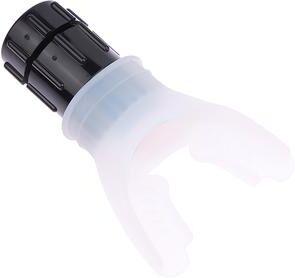
Uplift Essentials Portable Respiratory Fitness Exerciser blackOptimize your aerobic performance and vital capacity with this highperformance Breathing Exercise Device, a highfidelity tool engineered for respiratory conditioning. Designed as a portable breath fitness exerciser, this instrument utilizes...35,97 $*Shipping: 0,00 $Secure redirect to the provider
-
What is the respiratory chain?
The respiratory chain is a series of protein complexes located in the inner mitochondrial membrane that are involved in the production of ATP, the cell's main energy source. These complexes work together to transfer electrons from molecules like NADH and FADH2 to oxygen, generating a proton gradient across the membrane. This proton gradient is used by ATP synthase to produce ATP through a process called oxidative phosphorylation. The respiratory chain is a crucial component of cellular respiration and plays a key role in generating energy for various cellular processes. **
-
What is the respiratory quotient?
The respiratory quotient (RQ) is a ratio that represents the amount of carbon dioxide produced to the amount of oxygen consumed during cellular respiration. It provides information about the type of fuel being used by the body for energy production. An RQ of 1 indicates that carbohydrates are the primary fuel source, while an RQ of 0.7 indicates that fats are being used. The RQ can vary depending on the metabolic state of an individual, such as during exercise or fasting. **
-
Can you dye respiratory masks?
Yes, you can dye respiratory masks, but it is important to use dyes that are safe and non-toxic, as the mask will be worn close to the face and may come into contact with the skin. It is also important to follow the manufacturer's instructions for washing and care, as some dyes may affect the effectiveness of the mask's filtration. Additionally, be mindful of any regulations or guidelines regarding the coloring of respiratory masks, especially if they are being used in a professional or medical setting. **
-
What is the respiratory system?
The respiratory system is a network of organs and tissues that work together to help us breathe. It includes the nose, mouth, throat, voice box, windpipe, and lungs. The main function of the respiratory system is to take in oxygen from the air and expel carbon dioxide, a waste product of the body's cells. This process is essential for the body to function properly and for the cells to produce energy. **
* All prices are inclusive of VAT and, if applicable, plus shipping costs. The offer information is based on the details provided by the respective shop and is updated through automated processes. Real-time updates do not occur, so deviations can occur in individual cases. ** Note: Parts of this content were created by AI.